 UZBEKISTAN TEXTILE AND GARMENT



The BCI program was formally launched in Uzbekistan in November 2022. By creating and implementing a system of sustainable cotton production standards with market incentives to reduce the danger of forced labor practices in cotton growing, the program seeks to improve cotton producing practices throughout the country.
Indeed, the BCI program delegation, led by Chelsea Reinhardt, met with representatives of the Federation of Trade Unions of the Republic of Uzbekistan, IFC, and Control Union during the visit from March 27 to April 7 to discuss the findings of the evaluation of licensing and monitoring of decent working conditions by the BCI program during the cotton season 2022–23. Also, the delegation went to 6 cotton textile pilot clusters as part of the BCI initiative for monitoring.
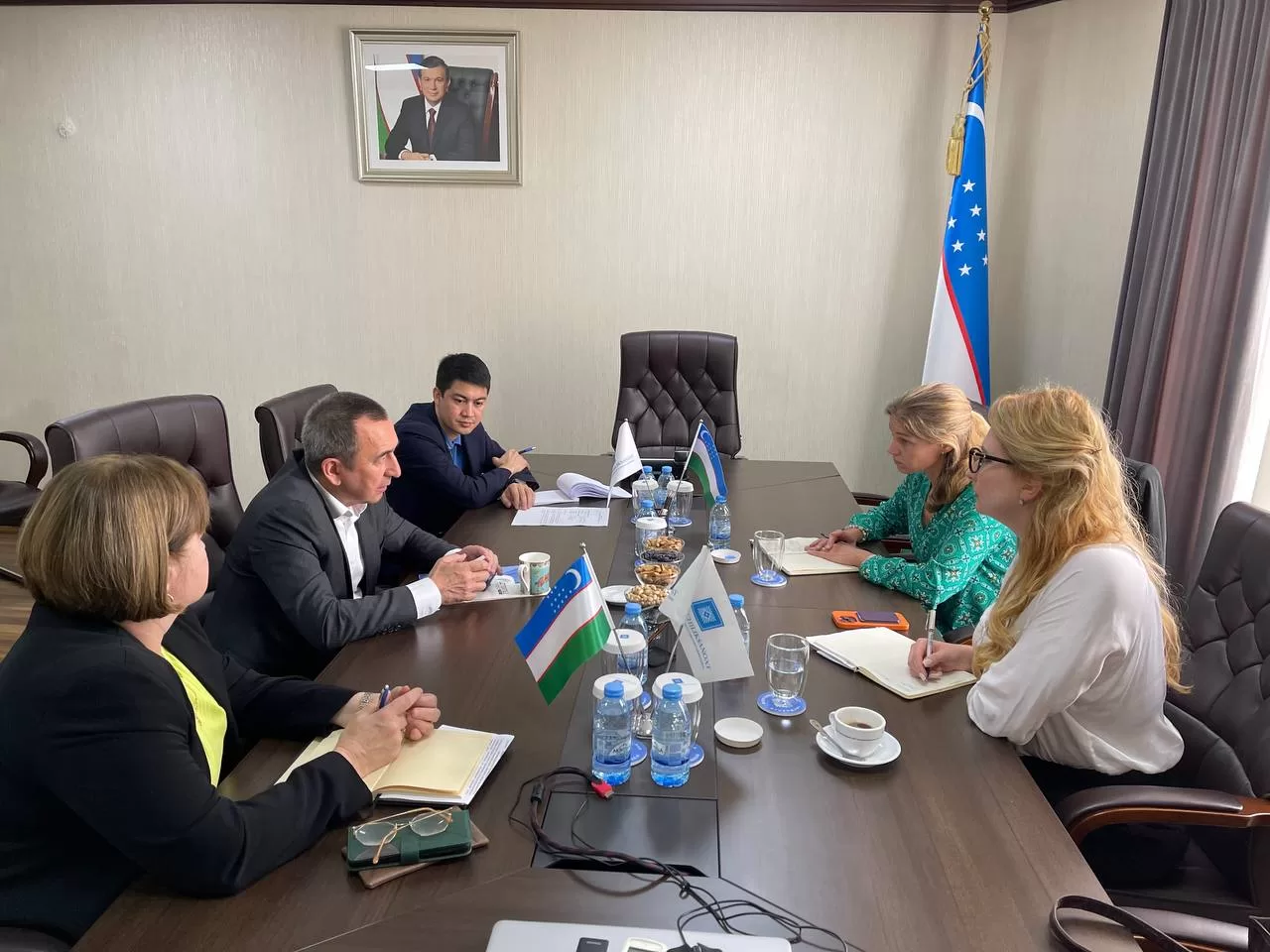
In particular, on April 3, 2023, a meeting was held at the Uztextileprom association with the leadership of the association, at which the results of the 2022 assessment and the main priorities for future cooperation and development of the BCI program in Uzbekistan were discussed. Chelsea Reinhardt, Director of Standards and Quality Assurance at BCI, said the Better Cotton V2.0 standard has been updated and significant progress has been made in agronomy and irrigation system efficiency, but added that work needs to be done to improve the transparency and credibility of self-assessment clusters (self-assessment).
Chelsea Reinhardt also discussed initiatives to diversify decent work monitoring, generate new capacities for verification in Uzbekistan, and build the capacities of clusters in collaboration with the ILO.
Following the meeting, the parties agreed to participate in the Better Cotton Supply Chain webinar in May 2023.